The Definitive Guide to Hiring Web Developers in Mexico
Mexico's 700,000+ developer workforce operates in your timezone, speaks your language, and builds on the same stack. This is the most comprehensive guide to sourcing, vetting, and hiring Mexican web development talent for US teams.
Unsplash
Mexico at a Glance: Key Hiring Data
| Quick Reference | Details |
|---|---|
| Developer Population | 700,000+ (largest in Latin America) |
| CS Graduates/Year | 130,000+ engineering and CS graduates |
| EF English Proficiency | #35 globally, "Moderate" (~530). Senior devs typically B2-C1. |
| Timezone | CST (UTC-6), full overlap with US Central |
| Senior Developer Rate | $45-70/hr (vs. $90-130/hr US) |
| Key Tech Hubs | CDMX, Guadalajara, Monterrey, Querétaro, Mérida |
700,000+ developers. Mexico isn't emerging; it's the mature, proven nearshore option US companies choose after offshore alternatives fail.
Three Tech Hubs, Three Distinct Strengths
Mexico City: Latin America's Startup Capital
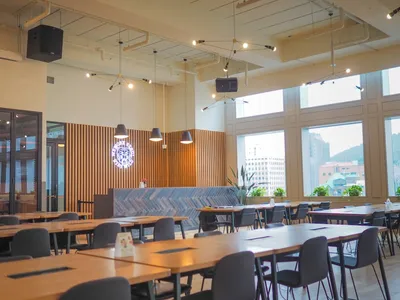
200,000+ developers in CDMX alone, concentrated in distinct tech neighborhoods.
Key districts
- Santa Fe tech corridor
- Corporate engineering: Google, Amazon, Microsoft, Oracle, Accenture. Cloud infrastructure, ML pipelines, platform tools.
- Polanco and Reforma
- Funded startup scene: Kavak, Bitso, Clip, Konfío. Product-driven engineering culture.
- Roma Norte and Condesa
- Indie tech: coworking, freelance collectives, boutique agencies. Senior devs who left Rappi or Cornershop (acquired by Uber).
CDMX strengths
- Full-stack web development
- Data engineering and AI/ML
- Product engineering
- VC-backed startup experience (ALLVP, Cometa, Kaszek)
Guadalajara: The Tequila Valley
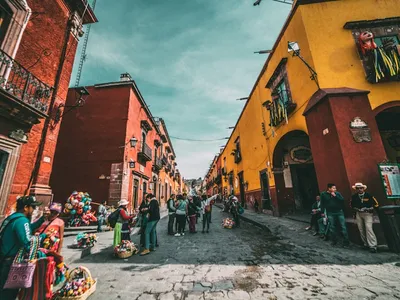
Guadalajara earned the nickname "Tequila Valley" for the same reason San Jose earned "Silicon Valley": a self-reinforcing concentration of tech employers, universities, and talent compounding for decades.
Zapopan tech corridor
- Intel: Major design center since 2000, anchor investment
- HP, Oracle, IBM, Cisco: Engineering centers contributing to core products
- Wizeline: 1,500+ engineers, de facto training ground for GDL talent
Best for: Systems engineering, IoT, real-time systems, embedded software, mobile development. Lower cost of living than CDMX.
Monterrey: Where Enterprise Meets Engineering

Monterrey is Mexico's industrial and financial capital. Two hours by air from Houston and Dallas, it's the most convenient option for Texas-based companies.
Key institutions and employers
- Tec de Monterrey (ITESM): Top engineering school in LatAm, bilingual curriculum, work-ready graduates
- FEMSA: Parent of OXXO (20,000+ stores), massive logistics and payments tech teams
- Banregio: Innovative bank, digital banking infrastructure
- Ternium: Industry 4.0, digital transformation
Best for: ERP integration, supply chain software, payment systems, enterprise digitization. Strongest English skills due to Tec de Monterrey and Texas cultural ties.
Top Universities and CS Programs
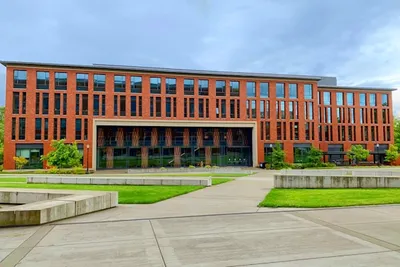
130,000+ CS/engineering graduates per year from Mexico's university system.
| University | Location | Type | Known For |
|---|---|---|---|
| UNAM | CDMX | Public | Top 100 globally. Theoretical depth, AI/ML research. |
| Tec de Monterrey | 31 campuses | Private | Industry partnerships, bilingual, B2+ English, work-ready. |
| IPN | CDMX | Public | Systems engineering, DevOps, backend. ESCOM campus. |
| ITAM | CDMX | Private | Quantitative CS, fintech pipeline. Small and selective. |
| UdeG CUCEI | Guadalajara | Public | Applied engineering, feeds Tequila Valley. Wizeline/Intel pipeline. |
What each school produces
- UNAM
- 3,000 CS grads/year. Strong algorithms, data structures, systems thinking. Filter for top quartile.
- Tec de Monterrey
- Industry projects with Amazon, Oracle, Wizeline during studies. Professional polish from day one.
- IPN (ESCOM)
- Networking, OS, databases, infrastructure. Scrappy problem-solvers from diverse backgrounds.
- ITAM
- Economics + math + CS. Bitso, Konfío, hedge funds recruit heavily. Data engineering, optimization.
- UdeG CUCEI
- Hands-on builders. Direct pipeline to Zapopan corridor companies.
Key Tech Employers
The maturity of Mexico's talent pool is measured by who's bet on it:
Global tech giants
- Google, Amazon, Microsoft: Engineering centers in CDMX (thousands of engineers). Core products, cloud, AI research.
- Oracle, IBM: 20+ years in Guadalajara. Database, middleware, enterprise cloud.
- Intel: Largest non-US design center in Guadalajara. Chip design and validation.
- Cisco: Guadalajara networking software.
Regional tech companies
- Globant: Growing Mexico office, aggressive university recruiting
- MercadoLibre: Marketplace, payments, logistics engineering
- Rappi: Major CDMX engineering team
- Kavak, Bitso: Mexican unicorns, high-velocity product development
Nearshore pioneers
- Wizeline: 1,500+ engineers in Guadalajara. Training ground for US-style product development.
- Encora (formerly Nearsoft): 15+ years, thousands of placements with US clients
- Softtek: Founded 1982 in Monterrey. Largest Mexican IT services company.
Your hire hasn't just completed a bootcamp. They've shipped production code at companies with real users, real scale, and real engineering standards.
Web Development Ecosystem
| Specialization | Strength | Community |
|---|---|---|
| WordPress + PHP | One of largest outside US/Europe | WordCamp CDMX (500+ attendees) |
| React / Next.js | Dominant ecosystem | Largest JS meetup in LatAm |
| Shopify | Custom themes, apps, headless | Growing with LatAm e-commerce |
| Webflow | $35-50/hr vs $100+/hr US | CDMX designer-developer community |
| Laravel | 10+ years serving US clients | Strong in CDMX and Guadalajara |
Specialization details
- WordPress/PHP: Theme customization to complex WooCommerce integrations. Active meetups in all three hubs.
- React/Next.js: Kavak, Clip, Bitso alumni bring React architecture, SSR, performance optimization at scale.
- Shopify: Custom themes, private apps, headless storefronts (Storefront API, Hydrogen). E-commerce + JS intersection.
- Webflow: Designers who code, developers who design. Pixel-perfect work at 40-60% US cost.
- Agency ecosystem: Roma Norte/Condesa agencies combine dev + SEO + marketing. Developers understand business context and conversion.
Timezone Advantage
CST (UTC-6). Full overlap with US Central/Mountain, near-complete overlap with both coasts.
| Your Location | Overlap with Mexico |
|---|---|
| US Central (CST) | Full 8-hour overlap |
| US East Coast (EST) | 7 hours overlap |
| US West Coast (PST) | 6 hours overlap |
Why this matters for web development
- Real-time collaboration: Morning standups, live code reviews, same-day fire drills
- PR turnaround: 2 hours instead of 24
- Design-dev loops: Webflow/Shopify feedback same-day, not next-day
- Pair programming: Austin architect + Guadalajara frontend during normal hours
Cost Structure
40-60% below US rates. Senior web devs: $45-70/hr vs $90-130/hr US equivalent.
Rates by role and seniority through a staffing partner:
| Role | Mid-Level (3-5 yrs) | Senior (5-8 yrs) | Lead/Staff (8+ yrs) |
|---|---|---|---|
| Frontend (React/Next.js) | $35–50/hr | $50–65/hr | $65–80/hr |
| Full-Stack (Node/React) | $38–52/hr | $52–70/hr | $70–85/hr |
| WordPress/PHP | $28–40/hr | $40–55/hr | $55–70/hr |
| Shopify Developer | $32–45/hr | $45–60/hr | $60–75/hr |
| Webflow Developer | $28–40/hr | $40–55/hr | $55–65/hr |
| UI/UX Designer | $30–45/hr | $45–60/hr | $60–75/hr |
The real savings
- Reduced ramp-up time
- Lower attrition
- Fewer communication failures
- Faster time-to-production
Legal framework: USMCA trade agreement creates favorable cross-border contracts. Strong IP protection, established contractor/employment infrastructure.
Cultural Alignment
Communication style
- Direct communicators: Comfortable pushing back on requirements that don't make sense
- US-experienced: Many have worked with US clients or studied/worked in the US
- Ownership-driven: Accustomed to fast-paced US tech culture
English proficiency
- National average: #35 EF Index (~530, "Moderate")
- Senior devs in major hubs: 80-90% functional English
- Tec de Monterrey grads: B2+ proficiency, coursework in English
Geographic proximity
Quarterly onsites are easy:
- Houston: 2 hours
- Los Angeles: 3 hours
- New York: 4 hours
Sourcing Mexico-Based Talent
What good vetting looks like
- Technical assessments calibrated to specific stacks (Next.js architecture, Shopify app build, Webflow exercise)
- English fluency evaluation
- Remote work discipline screening
- Autonomous operation within US teams
Typical timelines
- Qualified profiles: 1-2 weeks
- First productive commit: Under 3 weeks
- Paid trial projects: Common for web dev roles
No Mexican entity required. Providers handle compliance, payroll, and benefits administration.
Explore More
EST-aligned nearshore talent one timezone east, strong for fintech and design
Central America's most proven nearshore market, same CST timezone as Mexico
Mexico City's React community is the largest in Latin America, deep Next.js expertise
Strong PHP and Laravel agency scene in CDMX and Guadalajara
Mexico has a rich design tradition and a strong product design community in all three hubs
Ready to explore your options?
Tell us what you're hiring for. We'll review your needs and suggest the best next step, whether that's an introduction to a vetted provider or a conversation with our team.
We may earn referral fees from some introductions. Providers don't pay for editorial inclusion.